Washing your hands is one of the simplest, most effective ways to protect your health and the health of others – and it’s backed by decades of solid science. Large bodies of research demonstrate that regular handwashing reduces diarrheal disease by 30-40%, cuts respiratory illness by up to 20-25% and dramatically lowers transmission in schools, workplaces, and healthcare settings.
In fact, the Centers for Disease Control and Prevention (CDC) and the World Health Organization (WHO) both emphasize hand hygiene as a cornerstone of infection prevention.
Why does handwashing matter?
Every day you touch countless surfaces, like doorknobs, phones, groceries, public transit rails, and keyboards. Invisible to the naked eye, these surfaces can carry germs and other microbes that cause illness. When you touch your face, prepare food, or care for others, those germs can transfer and make you sick.
Handwashing interrupts this process.
At its core, handwashing physically removes germs. Warm water, soap, and friction lift dirt, oils and microorganisms off your skin so they can be rinsed away. This simple act dramatically reduces your risk of infection.
What’s the most effective way to wash my hands?
Public health campaigns consistently show that increased awareness and correct technique lead to fewer infections in communities. Here’s how you can wash your hands effectively:
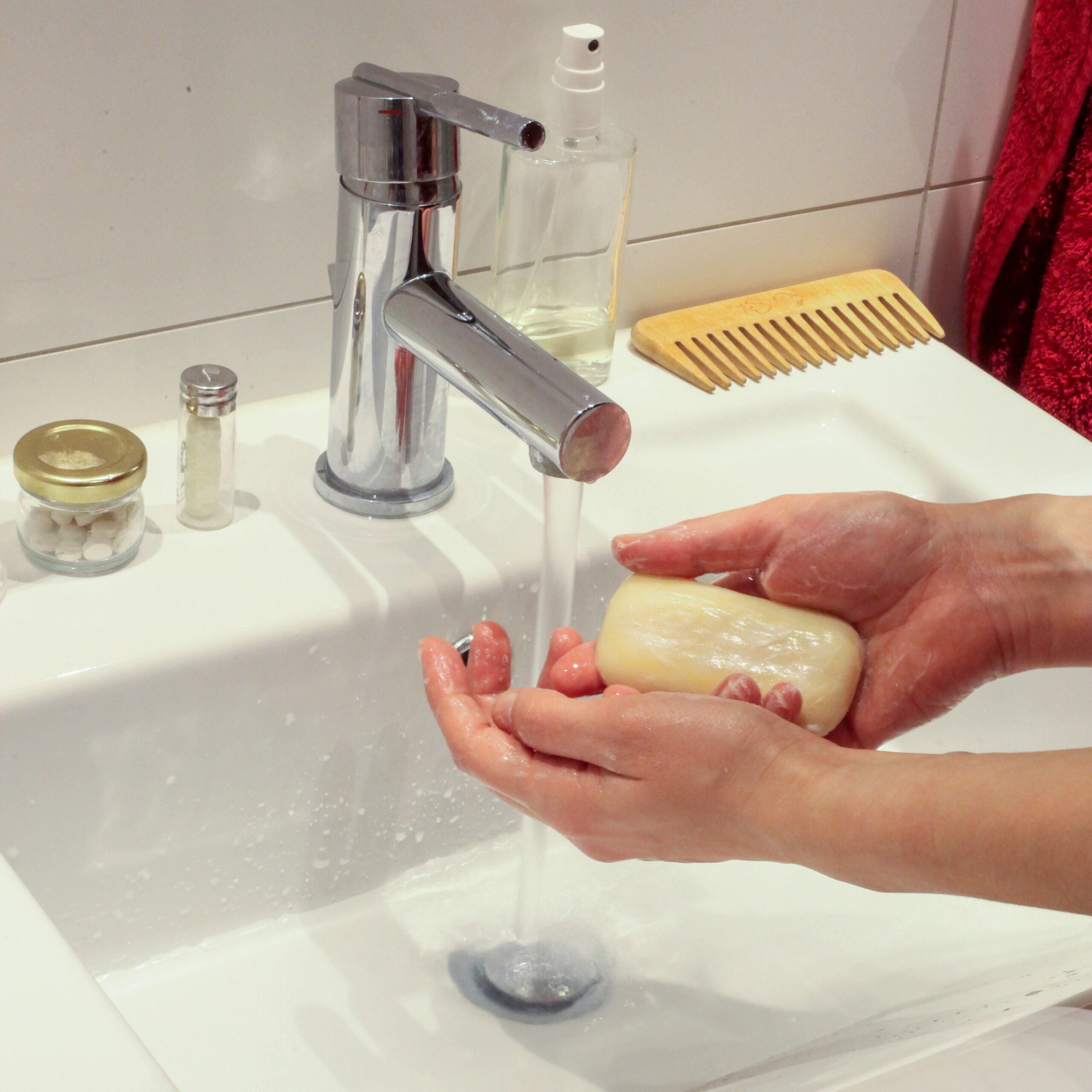
- Wet hands with clean running water.
- Apply soap and work up a lather.
- Spend at least 20 seconds scrubbing your palms, the back of your hands, between your fingers, and under your nails – that’s about the time it takes to sing Happy Birthday twice.
- Rinse thoroughly under running water.
- Dry with a clean towel or air dry.
Washing your hands at key moments makes the biggest difference.
- Before eating or handling food
- After using the bathroom
- After coughing, sneezing, or blowing your nose
- After touching animals or animal waste
- After being in public spaces
- Before and after caring for someone who’s sick
- When hands look and feel dirty
If soap and water aren’t available, alcohol-based hand sanitizer (at least 60% alcohol) is a good alternative – as long as your hands aren’t visibly soiled.
Ultimately clean hands equal fewer infections, so washing your hands regularly can help prevent the spread of disease and can help protect children, older adults, and people with weakened immune systems.
Washing your hands is one small habit with big returns for your personal health and the health of those around you.