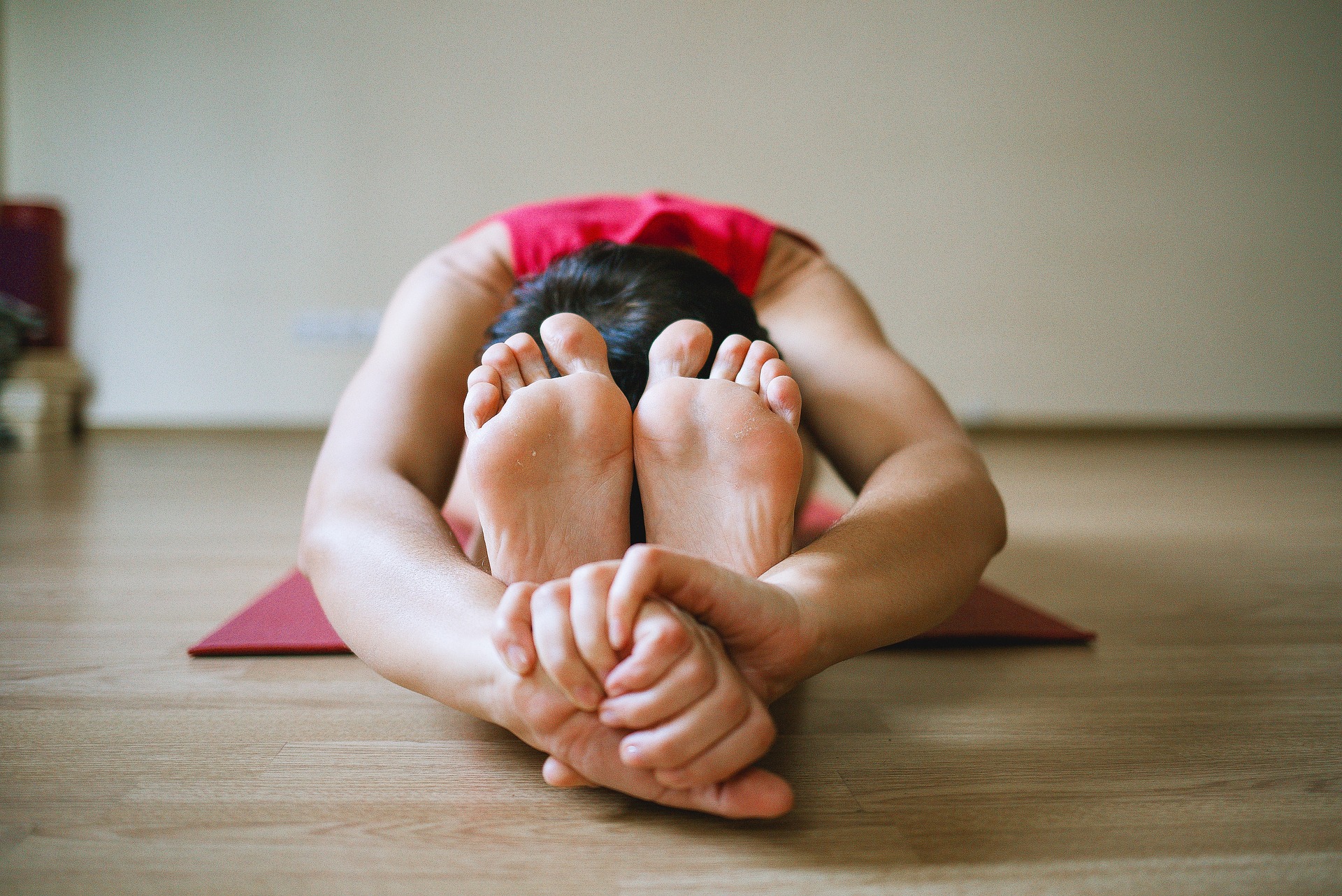
Yoga can improve your physical, mental, and emotional well-being through movement, breathing, and mindfulness. While many people think of yoga as stretching, it’s actually a practice that helps build strength, reduce stress, improve balance, and create a stronger connection between your body and mind.
Whether you want to relieve back pain, sleep better, become more flexible, or simply slow down in a busy world, yoga offers benefits that go far beyond touching your toes.
What is yoga?
Yoga is an ancient practice that originated in India more than 5,000 years ago. The word yoga comes from the Sanskrit word meaning “to unite” or “to join.” The goal is to create harmony between the body, mind, and breath.
Modern yoga often combines three main elements:
- Physical poses (asanas) to build strength and flexibility
- Breathing exercises (pranayama) to improve focus and relaxation
- Meditation or mindfulness to calm the mind
Some classes are physically challenging, while others focus almost entirely on relaxation. The beauty of yoga is that it can be adapted for nearly every age, fitness level, and ability.
Why practice yoga?
Life today is busy. Many of us spend hours sitting at desks, looking at screens, juggling responsibilities, and feeling stressed. Our bodies become stiff, our posture suffers, and our minds rarely get a chance to slow down. Yoga addresses many of these modern problems all at once.
Instead of treating exercise and stress management as separate goals, yoga combines movement with intentional breathing and mindfulness.
That combination can help you: move better, feel stronger, reduce stress, improve concentration, sleep more soundly, and become more aware of your body. Unlike many workouts, yoga isn’t about competing or pushing yourself to exhaustion. It’s about working with your body rather than against it.
Yoga has both physical and mental health benefits.
Improves flexibility
Regular practice gradually increases your range of motion by gently stretching muscles and connective tissues. This can help reduce stiffness, improve posture, and even lower the risk of some injuries.
Builds strength
Holding yoga poses requires muscles to work in ways that many traditional exercises don’t. Over time, yoga strengthens core muscles, legs, arms, back, shoulders and hips.
Helps reduce stress
Slow breathing and mindful movement activate the body’s relaxation response, helping lower feelings of tension and anxiety. Many people notice they feel calmer after even a short yoga session. Working regular yoga into your routine can be an important stress-management tool.
Improves balance
Balance naturally declines with age, increasing the risk of falls. Many yoga poses challenge stability, helping improve coordination and body awareness.
Supports better posture
Hours spent sitting can lead to rounded shoulders, tight hips, and neck pain. Yoga strengthens the muscles that support good posture while stretching areas that become tight from prolonged sitting.
May help relieve certain types of pain
Yoga isn’t a cure-all, but research suggests it may help reduce chronic pain in some people, particularly individual with lower back pain, neck pain, and arthritis discomfort. Note that anyone with chronic pain should consult a healthcare provider before beginning a new exercise program.
Improves mental well-being
Many people start yoga for physical reasons but continue because of how it makes them feel. Regular practice may help to improve mood, self-awareness, emotional resilience, relaxation, and confidence. Even taking a few minutes a day to focus on breathing can create a welcome mental reset.
Encourages healthy habits
Yoga often helps people become more aware of their bodies. This increased awareness can lead to healthier choices around sleep, nutrition, and physical activity. While yoga isn’t a weight-loss program by itself, it can support an overall healthy lifestyle.
Common misconceptions about yoga
“You have to be flexible.”
False. Flexibility is something yoga helps develop—not a requirement to participate.
“Yoga isn’t real exercise.”
False. Some styles are gentle, while others provide a challenging full-body workout that builds strength, endurance, and balance.
“Yoga is only for women.”
Nope. People of every gender practice yoga, including professional athletes, military personnel, and older adults.
“Yoga is a religion.”
Yoga has historical roots in ancient spiritual traditions, but modern yoga classes are typically focused on physical movement, breathing, and mindfulness rather than religious practice. People of many different beliefs practice yoga comfortably.
“You need expensive equipment.”
No. A yoga mat is helpful, but beginners can often start with comfortable clothing and enough space to move safely. Blocks, straps, and bolsters are optional tools that make poses more accessible.
Are there any drawbacks to yoga?
Risk of injury
Like any physical activity, poor technique or pushing beyond your limits can lead to injury. Learning from a qualified instructor can reduce this risk.
It may not provide enough cardiovascular exercise
Gentle yoga improves mobility and strength but may not raise your heart rate enough to meet aerobic exercise recommendations. Many people combine yoga with walking, cycling, swimming, or strength training.
Progress can feel slow
Yoga focuses on consistency rather than quick results. Benefits often build gradually over weeks or months.
Not every style suits everyone
There are many types of yoga. Some people enjoy slow restorative classes, while others prefer energetic styles like Vinyasa or Power Yoga. Finding the right class can take some experimentation.
Learn more about the different styles of yoga
Trying several styles can help you discover what you enjoy most.
Hatha Yoga
A slower-paced practice that’s ideal for beginners.
Vinyasa Yoga
Flowing movements connected with breathing.
Yin Yoga
Long-held stretches focused on flexibility and relaxation.
Restorative Yoga
Gentle poses supported by props for deep relaxation.
Power Yoga
A faster, more athletic style that emphasizes strength.
Hot Yoga
Practiced in a heated room to encourage sweating and flexibility.
How often should you do yoga?
There’s no single right answer. For general health:
- Beginners: 1–2 sessions per week
- Intermediate practitioners: 3–5 sessions weekly
- Daily practice: Even 10–20 minutes can be beneficial
Consistency matters more than duration.
Frequently Asked Questions
Is yoga good for beginners?
Yes. Many beginner-friendly classes introduce poses gradually and offer modifications for different abilities.
Can yoga help with weight loss?
Yoga alone may not burn as many calories as running or cycling, but it supports healthy habits, builds muscle, reduces stress eating for some people, and encourages regular physical activity.
Do I need to be fit before starting yoga?
No. Yoga meets you where you are. Most poses can be modified for different fitness levels.
Is yoga better than stretching?
Yoga includes stretching, but it also incorporates strength, balance, breathing, and mindfulness, making it a more complete practice.
How long does it take to notice benefits?
Some people feel more relaxed after a single class – however, physical improvements such as flexibility, balance, and strength typically develop over several weeks of regular practice.
Can older adults do yoga?
Absolutely. Chair yoga and gentle yoga classes are specifically designed for people with limited mobility or balance concerns.
Yoga can help you feel better.
Yoga isn’t about becoming the most flexible person in the room or mastering difficult poses. Its real purpose is to help you move better, breathe more intentionally, and feel healthier—both physically and mentally.
Whether your goal is reducing stress, easing back pain, improving balance, building strength, or simply taking time for yourself, yoga offers a flexible practice that can grow with you. The best yoga routine isn’t necessarily the longest or the hardest. It’s the one you’ll continue doing consistently.
If you’ve been curious about yoga, you don’t need expensive equipment or years of experience to begin. Start with a beginner class, follow an online session, or practice a few simple poses at home. Like many healthy habits, the biggest benefits come from showing up regularly, one breath at a time.