Knitting, gardening, baking, cross-stitching, reading and working on a jigsaw puzzle might not sound like the most exciting ways to spend your free time. But as younger adults start picking up crochet hooks or discover the joy of baking bread, so-called grandma hobbies are finding a new audience. And there’s a good reason for that. In a world of endless scrolling, constant notifications and pressure to be productive, grandma hobbies offer something refreshingly different: an opportunity to slow down, make something with your hands and enjoy an activity without needing to turn it into a side hustle.
Grandma hobbies are a way to make everyday life more enjoyable, give your brain a break from digital distractions and find satisfaction in the simple act of doing something you like. Let’s look at why these traditional pastimes are worth revisiting, what they can offer and whether they’re right for you.
What Are Grandma Hobbies?
Grandma hobbies are traditional, often hands-on activities associated with older generations, however the term is playful rather than literal. You don’t need to be a grandmother—or even particularly interested in traditional activities—to enjoy them.
These hobbies often share a few characteristics:
- They’re hands-on. You use your hands and attention to make, grow, repair or create something.
- They encourage patience. Many involve small steps that gradually add up to a finished result.
- They don’t require a screen. Although you can learn new skills online, the activity itself usually takes place away from a device.
- They can be inexpensive. Many require little more than basic supplies or materials you already own.
- They’re enjoyable for their own sake. There’s no requirement to monetize your efforts, share them online or become an expert.
Popular grandma hobbies include knitting, crocheting, quilting, gardening, baking, cooking, cross-stitching, embroidery, sewing, journaling, birdwatching, reading and doing puzzles.
Why Do Grandma Hobbies Matter?
Grandma hobbies offer an alternative to the way many of us spend our downtime. Instead of consuming content, we create something. Instead of jumping between notifications, we focus on one task. And instead of measuring our time by what we accomplish, we can enjoy the experience itself. That shift can be surprisingly valuable.
1. Grandma hobbies give you a break from screens
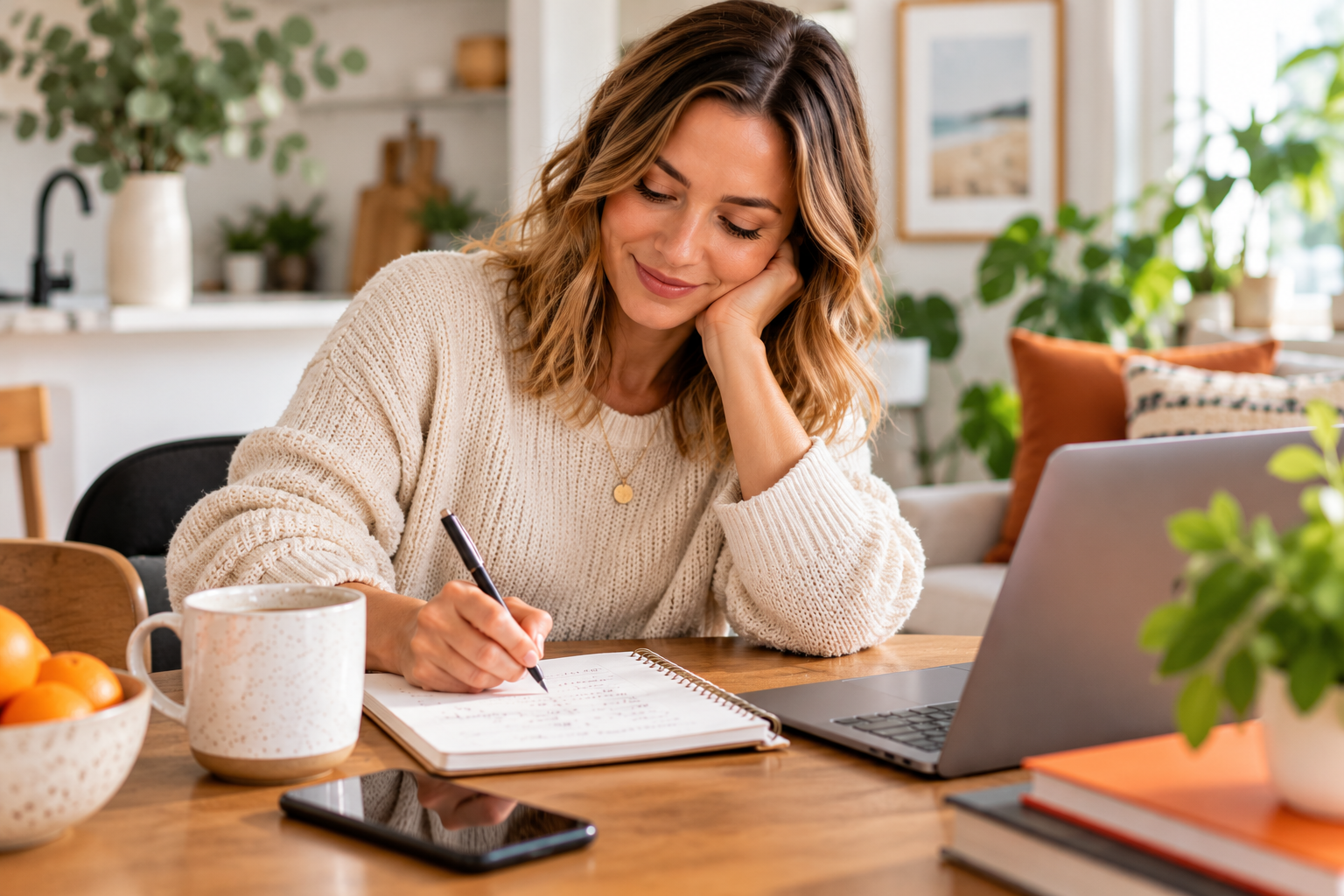
Many everyday activities now involve a screen, whether you’re working, shopping, socializing or relaxing. Even downtime can become another opportunity to scroll. A hands-on hobby offers a different kind of break. You might spend an hour tending to your plants, learning a new knitting stitch or getting lost in a novel. Your attention has somewhere else to go. You don’t have to give up technology to benefit. Simply making room for activities that don’t revolve around your phone can help create a healthier balance.
2. Grandma hobbies can make leisure feel enjoyable again
Somewhere along the way, hobbies can start to feel like another item on a to-do list. We want to get fitter, learn a language, improve our finances or develop a skill that might advance our careers. There’s nothing wrong with having goals. But not every activity needs a measurable outcome.
Grandma hobbies remind us that it’s perfectly reasonable to do something because it’s fun, relaxing or interesting. You can bake a cake without starting a bakery. You can knit a scarf without opening an online store. You can grow tomatoes simply because homegrown tomatoes taste good. Sometimes, the point is just to enjoy yourself.
3. Grandma hobbies create opportunities for connection
Traditional hobbies can bring people together in ways that feel natural rather than forced. A knitting circle, gardening club, book club or community baking class gives people a shared interest and something to talk about. You can learn from others, exchange ideas and develop friendships without the pressure of making conversation from scratch.
Hobbies can also connect generations. Learning a family recipe from a parent or grandparent, for example, can preserve family traditions while creating opportunities to spend meaningful time together. In an increasingly digital world, these small, shared experiences can be especially rewarding.
The Benefits of Grandma Hobbies
The appeal of grandma hobbies isn’t just nostalgia. Many traditional pastimes offer practical benefits for your everyday life, from relaxation and creativity to opportunities for learning and social interaction. Here are some of the biggest advantages.
1. They can help you manage stress
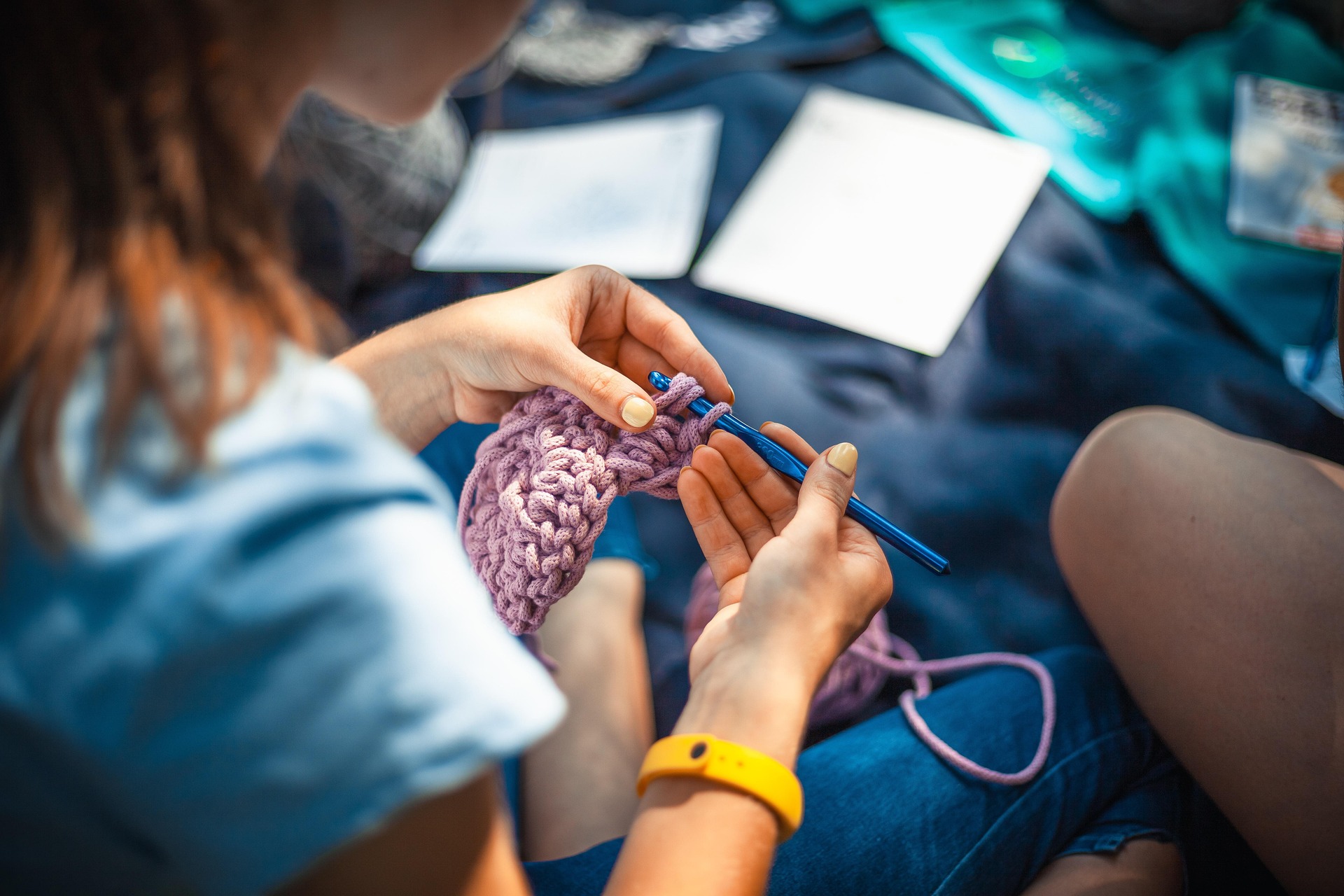
Activities that encourage steady, focused attention can provide a welcome change of pace after a busy day. Repetitive tasks such as knitting, crocheting, gardening or stitching may feel calming because they give you something manageable to concentrate on. Reading can offer a similar escape by drawing your attention into a different world. The experience varies from person to person, and no hobby is a guaranteed stress reliever. Still, finding an activity that helps you unwind can be a useful part of your overall approach to managing stress.
2. They encourage creativity
You don’t have to consider yourself artistic to enjoy making things. You might experiment with a new bread recipe, choose colours for an embroidery project, arrange flowers from your garden or customize a piece of clothing.
These small creative decisions allow you to express your preferences and try something new. And creativity doesn’t have to mean producing something perfect. In fact, experimenting, making mistakes and discovering what works are part of the fun.
3. They provide a sense of accomplishment
Modern life can make progress feel difficult to see. You might spend an entire workday answering emails and attending meetings without feeling as though you’ve completed anything tangible. Many grandma hobbies offer a visible result.
A garden produces flowers or vegetables. A puzzle gradually comes together. A knitted project becomes a scarf, and a loaf of bread emerges from the oven. These small achievements can feel satisfying because you can see the results of your effort. You don’t need to accomplish something extraordinary to enjoy that feeling.
4. They keep you learning
Picking up a traditional hobby often means developing a new skill. You might learn to read a knitting pattern, identify local birds, grow herbs from seed or master a complicated recipe. Some activities also challenge you to solve problems, plan ahead and adjust your approach when something doesn’t work.
Learning doesn’t have to stop when formal education ends. A hobby gives you an accessible way to remain curious and develop skills at your own pace.
5. They can support social and emotional well-being
Shared activities create opportunities for conversation, belonging and mutual support. Joining a community garden or local craft group can introduce you to people you might not otherwise meet. Solo hobbies can be valuable, too. Reading, journaling or working on a craft project can give you time to reflect and enjoy your own company.
Research broadly supports the idea that enjoyable leisure activities and social connection can contribute to well-being. However, the benefits depend on the person, the activity and how it fits into their life. Grandma hobbies aren’t a substitute for professional mental health care when it’s needed, but they can be a meaningful part of a balanced routine.
Read What’s the point of a daily routine? to discover simple strategies for building a routine that lasts.
6. They can be budget-friendly
Many traditional hobbies are relatively inexpensive, particularly if you start with basic supplies. Reading borrowed library books, propagating plants, cooking with ingredients you already have and doing puzzles from a second-hand shop can all provide hours of entertainment without a large financial commitment.
There’s also an opportunity to repair or reuse things rather than automatically replacing them. Sewing a button back onto a shirt or mending a small tear can save money while giving you a useful new skill. Of course, hobbies can become expensive if you continually buy new equipment or materials. The key is to enjoy the activity without feeling that you need every accessory available.
Common Misconceptions About Grandma Hobbies
Despite their growing popularity, traditional hobbies come with a few misconceptions.
Myth 1: They’re only for older people
Not true. Knitting, baking, gardening and other traditional activities can appeal to anyone, regardless of age. Younger adults may enjoy them as a way to balance screen-heavy work, explore their creativity or learn practical skills. Older adults may appreciate the same things for entirely different reasons. The activities are universal; the nickname is simply a bit of fun.
Myth 2: They’re boring
If you prefer fast-paced sports or competitive games, spending an afternoon on embroidery might not sound appealing. That’s fine. But slower doesn’t automatically mean boring. Learning a complicated stitch, growing a plant from seed or perfecting a recipe can be challenging and engaging. The trick is to find an activity that suits your interests and preferred pace.
Myth 3: You need to be naturally talented
You don’t need an artistic streak, a green thumb or a family recipe passed down through generations. But most hobbies do involve a learning curve. Your first knitted square might be uneven, and your first batch of cookies might be a little too crispy. That’s part of learning. You can improve with practice, but you can also enjoy an activity without becoming particularly good at it.
Myth 4: Hobbies should be productive
This might be the biggest misconception of all. A hobby doesn’t have to generate income, improve your career prospects or produce something worth posting online. If you enjoy the time you spend doing it, that can be enough. You don’t need to turn every interest into a personal development project. Sometimes, the most valuable thing you can do with your free time is enjoy it.
Are There Any Drawbacks to Grandma Hobbies?
Although traditional hobbies offer plenty of potential benefits, they’re not automatically the perfect fit for everyone. The main drawbacks are the potential cost, time commitment, frustration involved in learning and the risk of turning a relaxing activity into another obligation.
Here’s what to consider before getting started.
- Some hobbies cost more than expected. Craft supplies, gardening equipment and specialty kitchen tools can add up. Start small before investing in expensive materials.
- Learning can be frustrating. A new skill may require patience, and early attempts don’t always turn out as planned. Choose beginner-friendly projects and allow yourself to make mistakes.
- Progress can be slow. If you prefer immediate results, activities such as knitting or gardening may test your patience. Try shorter projects or hobbies with quicker payoffs.
- Time can be hard to find. Busy schedules and family responsibilities can make it difficult to set aside a large block of free time. Fortunately, many hobbies can be enjoyed in short sessions.
- Hobbies can become another source of pressure. It’s easy to start comparing your work with polished examples online or feel guilty about unfinished projects. Remember that you’re allowed to stop, change direction or take a break.
The goal isn’t to add another obligation to your life. It’s to find an enjoyable way to spend some of the time you already have.
How to Find a Grandma Hobby You’ll Actually Enjoy
You don’t need to buy a basket of yarn or start a vegetable garden just because these activities are trending. The best hobby is one that fits your interests, budget and lifestyle. Here are five ways to find your match.
1. Start with what you already enjoy. If you love food, try baking or making homemade pasta. If you enjoy being outdoors, experiment with gardening or birdwatching. If you like solving problems, try puzzles or crosswords.
2. Choose something accessible. Look for activities you can try with supplies you already own or borrow. Your local library, community centre or neighbourhood group may offer free or inexpensive opportunities.
3. Make it manageable. Start with 15 or 20 minutes rather than committing an entire weekend. A small, achievable project can help you discover whether you enjoy the activity.
4. Give yourself permission to be a beginner. Don’t worry about producing something beautiful or mastering a skill immediately. The learning process is part of the experience.
5. Focus on how it feels. After trying a hobby, ask yourself whether you enjoyed the process. Did you feel engaged, relaxed or curious? Or did it feel like another chore? Let your experience guide your next step.
You might discover a lifelong passion, or you might decide that knitting isn’t for you. Both outcomes are perfectly fine.
Frequently Asked Questions About Grandma Hobbies
What is the most popular grandma hobby?
Knitting, crocheting, gardening, baking, reading and embroidery are among the activities commonly associated with grandma hobbies. There’s no single most popular option, and the best choice depends on your interests, time and budget.
Why are grandma hobbies trending?
Grandma hobbies appeal to people looking for screen-free leisure, creative outlets, or activities that encourage them to slow down. Social media has also helped introduce traditional crafts and pastimes to new audiences. Their appeal lies partly in the contrast they offer to fast-paced, digitally connected lifestyles.
Are grandma hobbies good for mental health?
They can support well-being by providing relaxation, creative expression, focused attention and opportunities for social connection. However, their effects vary, and hobbies shouldn’t be viewed as a replacement for professional mental health treatment when needed.
What are some easy grandma hobbies for beginners?
Reading, baking a simple recipe, growing herbs, doing jigsaw puzzles, journaling and trying beginner embroidery are all accessible starting points. Choose an activity with a low initial cost and a manageable learning curve.
Can you enjoy grandma hobbies on a budget?
Absolutely. Borrow books from the library, grow plants from seeds, shop for second-hand craft supplies or try recipes using ingredients you already have. Starting small allows you to explore an interest before spending much money.
Do grandma hobbies have to be done alone?
Not at all. You can enjoy them independently or join a book club, gardening group, knitting circle or community workshop. Many hobbies offer opportunities for both quiet solo time and social connection.
So, What’s the Point of Grandma Hobbies?
The point of grandma hobbies is to make room for activities that bring you enjoyment without demanding anything in return. In a culture that often celebrates being busy, productive and constantly connected, traditional pastimes offer a different perspective. They remind us that leisure doesn’t have to be optimized, every interest doesn’t need to become a business and everything we do doesn’t need to be shared with an audience.
Whether you spend an evening reading, an afternoon baking or a few minutes tending to your plants, the value is in the experience itself.
Here are three practical takeaways to remember:
- Try something hands-on. Choose one activity that interests you and give it a go, even if you’re a complete beginner.
- Keep it simple. Start with inexpensive supplies, short sessions and realistic expectations.
- Enjoy the process. Resist the urge to turn your new hobby into another goal to achieve. You don’t have to be good at it, finish every project or make money from it.
You might find a new passion, learn a useful skill or simply discover a more enjoyable way to spend an hour away from your phone. And if all you get out of it is a little fun and some time to yourself? That’s pretty great, too.